
S’pore sets out economic strategy road map to stay competitive, create good jobs
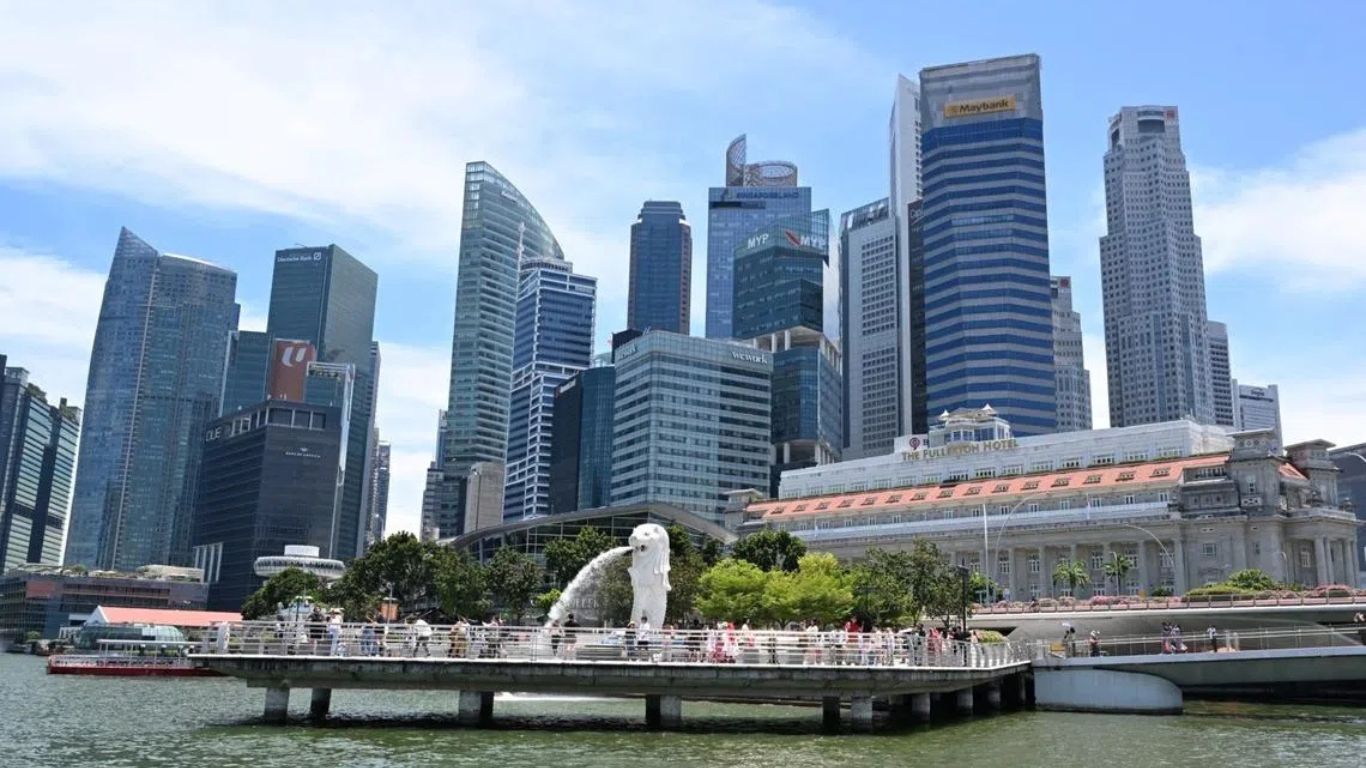
The country needs to be more adaptable to the rapid pace of change. This includes helping workers transition to new jobs or reskill in their current ones. (ST PHOTO: CHONG JUN LIANG)
Source: The Straits Times
Singapore has set out a strategic road map to position the country to stay competitive, create good jobs and remain relevant in the near and longer term, amid a turbulent global environment.
The committee reviewing Singapore’s economic strategies has recommended that it sharpen its edge in areas that can create the most value for others, including establishing the country as a trusted hub where AI solutions are developed, tested and deployed.
The country also needs to be more agile and adaptable to the rapid pace of change. This includes helping its workers transition to new jobs or reskill in their current ones.
While doing these, Singapore also has to build resilience into its system and ensure that it has the links and capabilities to withstand shocks and bounce back.
These are the three key guiding principles for Singapore to restructure its economy as set out by the Economic Strategy Review (ESR), which is led by a team of 10 political office-holders.
They were tasked in August 2025 to chart a road map for the next five to 10 years amid a new global environment more uncertain and fragmented than before.
The ESR is not just a response to immediate challenges, Deputy Prime Minister Gan Kim Yong said on May 13 as he outlined the committee’s recommendations.
“It is about how Singapore positions itself for the longer term, to stay competitive, create good jobs and remain relevant in a more fragmented, contested and fast-changing world,” he said.
DPM Gan noted that Singapore has thrived by making itself useful to others as a trusted, connected and reliable partner, but the conditions that have shaped this success have since shifted.
He listed rising geopolitical tensions, rapid technological advancement, climate change and the changing nature of work.
“We can no longer assume that economic growth will naturally generate as many good jobs as before,” said DPM Gan, who chairs an economic resilience task force that the review committee reports to.
“These are not passing headwinds. They are structural shifts in the global operating environment.”
The developments of the past year – including the ongoing energy crisis – have reaffirmed and reinforced this reality, he said in a speech at the Future Economy Conference organised by the Singapore Business Federation, held at the Sands Expo and Convention Centre.
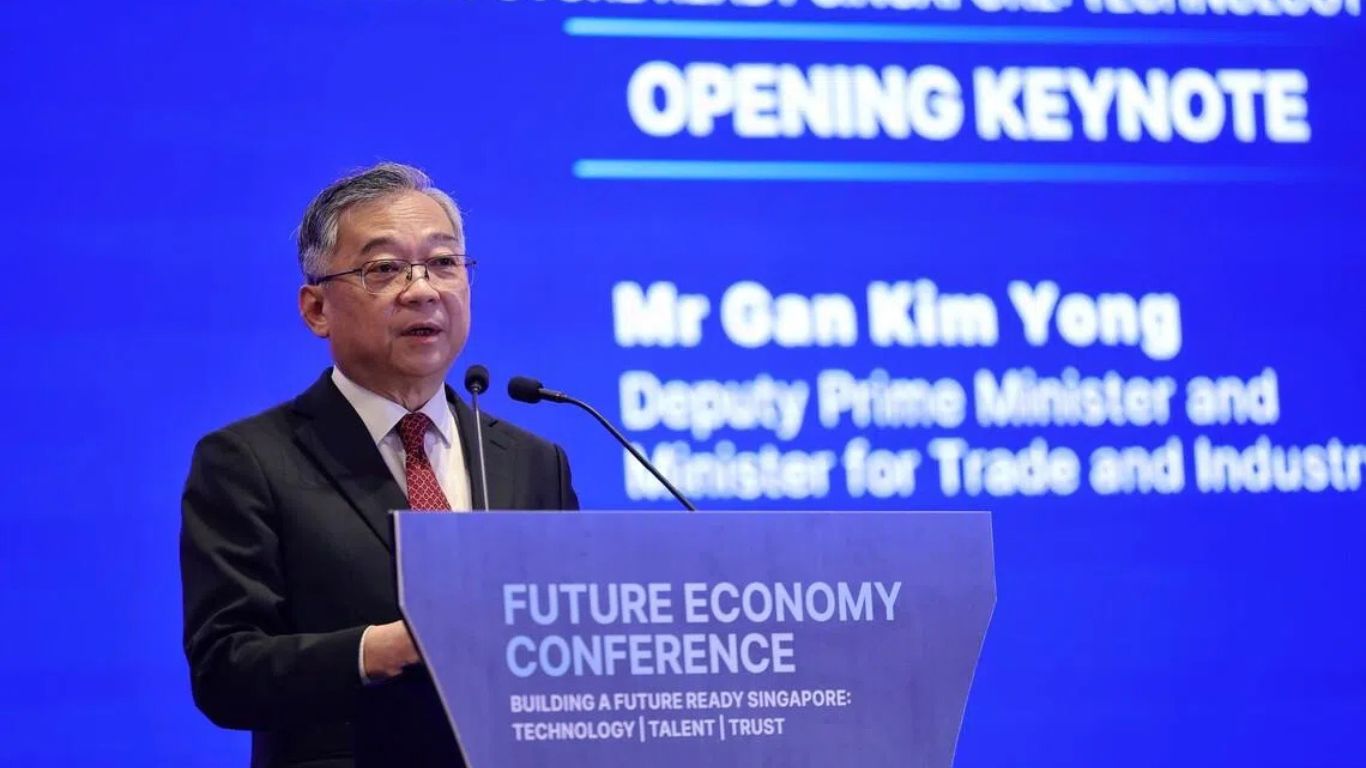
Deputy Prime Minister Gan Kim Yong speaking during the Future Economy Conference at Sands Expo and Convention Centre on May 13. (ST PHOTO: KEVIN LIM)
The ESR said in a statement on May 13 that the committee had submitted its recommendations to the Government after more than 80 consultation sessions. An executive summary of the ESR report has been published.
In a social media post in the evening, Prime Minister Lawrence Wong said the Government supports the ESR’s broad strategies and direction.
“The task ahead is to translate these directions into concrete actions,” PM Wong said.
The report sets out strategic shifts that the committee thinks are needed in a fundamentally transformed world, said Acting Transport Minister Jeffrey Siow, a member of the ESR committee and of the same task force as DPM Gan.
It is not a prescriptive policy blueprint, though there are some policy ideas raised in the report, Mr Siow said during a dialogue at the conference on May 13.
The committee expects the Government to use the report as the basis for policy changes or new projects over the next five to 10 years, he added.
The ESR’s five sub-committees, chaired by the office-holders, had gathered input from more than 7,700 stakeholders, including workers, unions, businesses, associations and chambers.
The ESR said the Government would study the recommendations and work with the relevant partners to translate them into action.
Mr Siow said it took a whole-of-economy effort to put together the report, with business leaders, unions and workers involved.
“The committee members were not just government representatives sitting in a room by ourselves,” he said.
The report’s recommendations work together as a coherent strategy, he said.
“Every recommendation comes back to one vision: A Singapore that stays competitive and resilient in a changed world, and one that continues to create good jobs and opportunities for our people.”
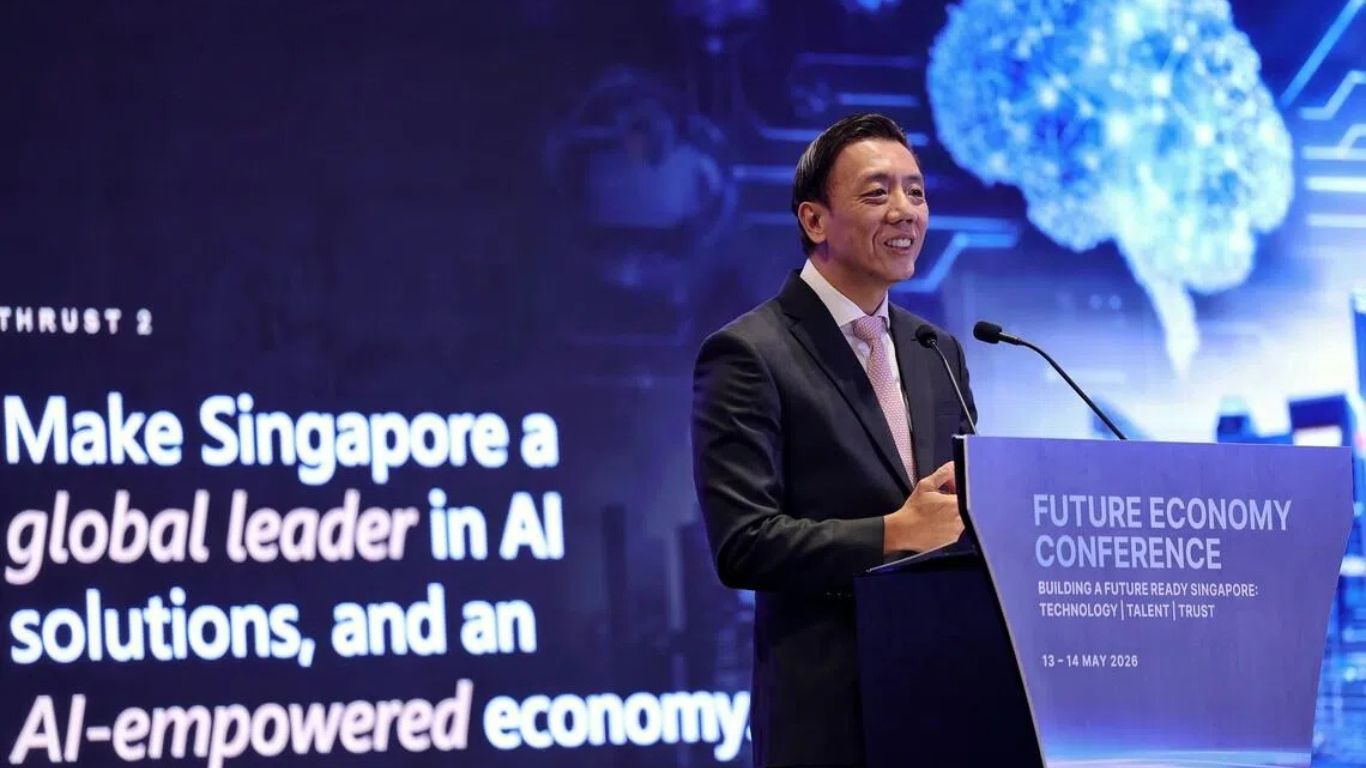
Singapore does not just want to be in a supply chain, but wants to be “part of the supply chain that nobody can afford to take out”, said Mr Siow, who is also Senior Minister of State for Finance.
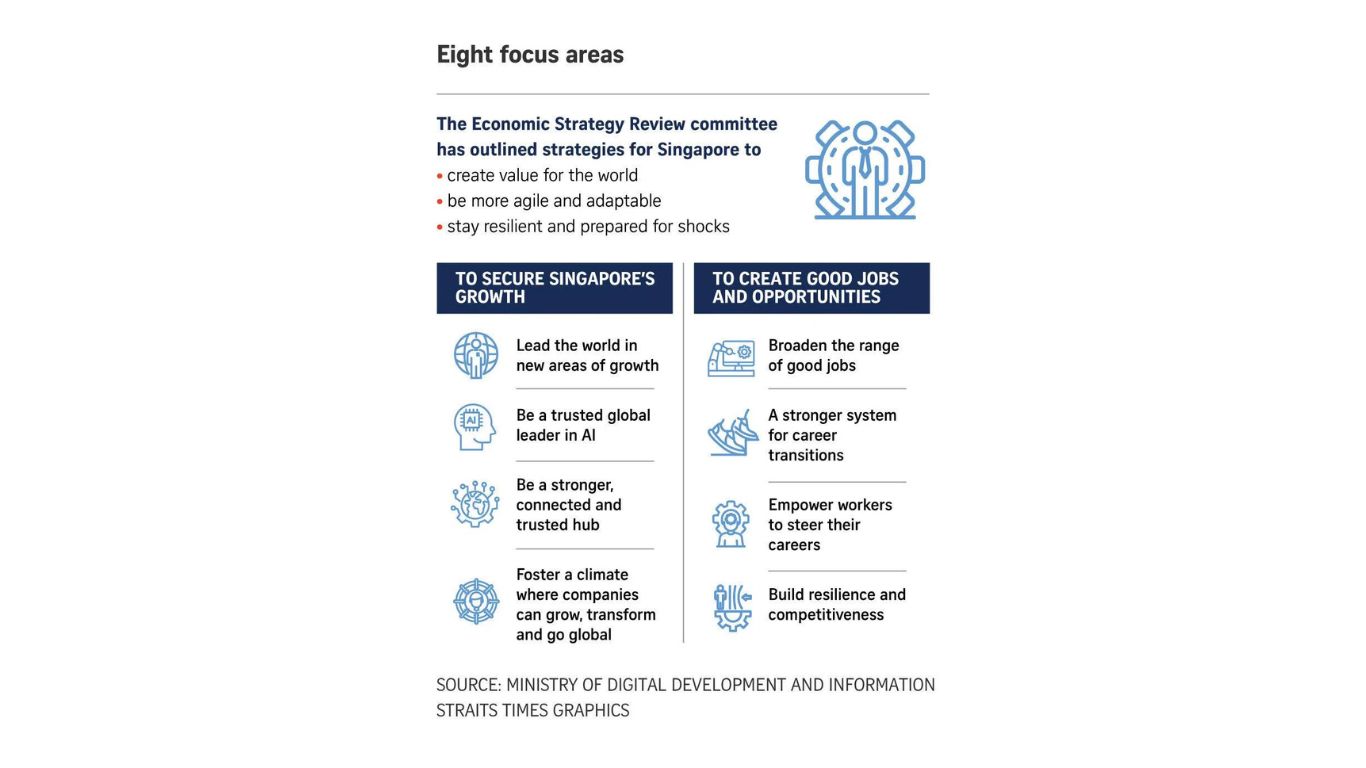
The committee’s final report builds upon its midterm update in January. Then, the ESR had identified seven key areas such as artificial intelligence and skills training that Singapore would have to adjust its strategies in.
The latest version has expanded on these with a total of eight focus areas and 32 recommendations across all of them.
One new area of focus is establishing a stronger support system for career transitions and worker support.
DPM Gan said cultivating agility for workers must mean more than coping with disruption. It must mean access to better and broader opportunities.
Good jobs will not emerge automatically – “we must design for them deliberately”, he added.
Singapore must also be prepared for career transitions to be more common. Some workers will need to move to adjacent occupations, while others may need deeper reskilling, said DPM Gan, who is also Minister for Trade and Industry.
He cautioned that some professionals, managers and executives (PMEs) may face longer periods of adjustment.
The Government has to build “career bridges” before disruption hits, and intervene and help retrenched workers early to prepare for the next step, he said.
The ESR report proposes moves on these: It wants the Government to review existing schemes like SkillsFuture Jobseeker Support, noting that the scheme does not currently cover many PMEs.
It also suggests studying extra ways to smooth income loss during transitions and for retrenchment notifications to be made earlier.
These are among suggestions that the National Trades Union Congress has made recently, including at the May Day Rally, which the Government has said it is studying.
The committee also recommended that the Government closely monitor the impact of AI on workers and adjust the policies needed.
On the economy, the report stated that while Singapore needs to extend its lead in areas it already has strengths in, it must also continue taking bold, forward-looking bets in new and emerging areas.
DPM Gan noted that not every bet will succeed.
“But if we only choose traditionally safe options, we will not break new ground or grow new industries,” he said.
A new, emerging area of the economy that the broad strategies can apply to is AI.
Singapore does not need to compete in this area by building the biggest frontier models or the largest data centres, said DPM Gan.
The country’s advantage lies elsewhere – it can become one of the best places in the world to develop, test and deploy AI solutions that solve real-world problems at scale, he said.
Singapore will also have to diffuse AI across the whole economy and use it to lift productivity, strengthen enterprises and create better jobs and opportunities, he added.
The committee said that Singapore’s AI strategy must be one that complements workers. This means prioritising technologies that augment workers and investing in and deploying AI where human capabilities remain central.
DPM Gan said Singapore is starting this new phase of economic growth from a position of strength.
But it must continue to renew its economy by building capabilities that matter and bring value to the world, he said.
It must also develop enterprises and workers that are nimble and adaptable, and strengthen trusted connections.
“This is how Singapore can continue to grow, create good jobs and provide strong opportunities for our people.”