
Singapore on inflation alert as Gulf conflict threatens oil and gas price surge
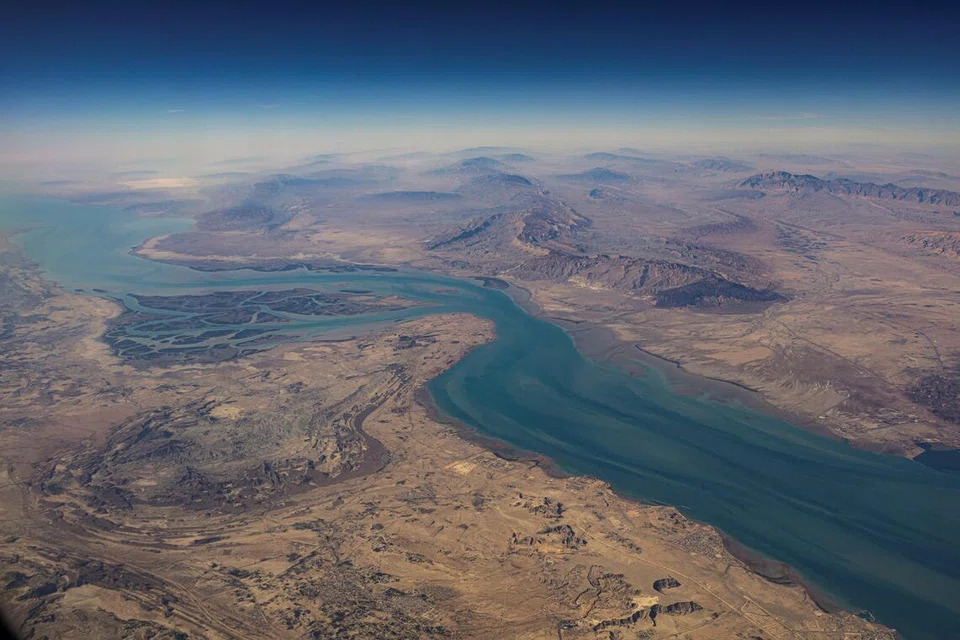
(Photo credit: Reuters)
Source: The Straits Times
The Republic may face an inflationary bump with energy prices set to spike following US and Israeli air strikes on Iran on Feb 28, bringing oil and gas shipments from the Persian Gulf to a halt.
Brent crude, a major global benchmark for oil prices, could jump by up to US$20 a barrel when trading resumes on March 2, according to Mr Jorge Leon of Rystad Energy.
Brent closed at US$72.87 a barrel on Feb 27, up 2.8 per cent, amid fears of imminent war in the Persian Gulf, which supplies about 30 per cent of global sea-borne crude and 20 per cent of liquefied natural gas (LNG).
Geopolitical jitters have already pushed the benchmark up by about 17 per cent since the start of the year, defying a glut of supplies amid higher production from members of the Organisation of the Petroleum Exporting Countries and their allies – together known as OPEC+.
For Singapore car owners, more expensive crude will mean higher prices at petrol pumps. Higher LNG prices will have an even wider impact, as Singapore produces the bulk of its electricity from natural gas.
While gas is pumped into Singapore mainly through pipelines from neighbouring countries, LNG has seen an increasing share in the mix, especially after the Republic made a long-term supply deal with Qatar – the Gulf state ranked as the world’s top LNG exporter.
Experts say that the impact on petrol and electricity prices and overall inflation in Singapore will be felt only if the conflict extends beyond a week or two.
Still, they warned that even a short-lived disruption could create a significant logistical backlog, keeping prices up for an extended period.
“The most immediate and tangible development affecting oil markets is the effective halt of traffic through the Strait of Hormuz,” said Mr Leon.
Hormuz is a narrow waterway that connects the Gulf to the Indian Ocean, supplying 15 million barrels of crude oil and 290 million cubic metres of LNG per day, from the Middle East to mainly Asia and Europe.
While Iran has retaliated with strikes on Arab Gulf states and Israel, it has yet to carry out its threat of closing the Hormuz by targeting tankers.
Still, shipping lines are avoiding the area, and insurers are warning ship owners they would cancel policies and raise coverage prices for the region.
Mr Leon said tanker congestion, rescheduling of cargoes and port delays could take several additional weeks to normalise, meaning the market impact would likely persist well beyond the formal reopening of transit lanes.
Mr Stephen Innes, managing partner at SPI Asset Management, said the strait does not have to be physically shut for oil prices to rise and the broader oil market to rally.
“In markets, perception is a position, and right now the perception is simple: The world’s most important energy hallway just turned into a dimly lit corridor with bad security and expensive insurance,” he said, adding that insurers have effectively rendered Hormuz inaccessible.
OPEC+, which includes top exporters such as Saudi Arabia, the United Arab Emirates and Russia, could help by announcing another large production increase, which under normal circumstances would exert downward pressure on prices.
But Mr Leon said if crude cannot physically exit the Gulf – due to physical or perceived constraints – incremental production increases will have limited immediate market impact.
“Whether the strait is closed by force or rendered inaccessible by risk avoidance, the impact on flows is largely the same,” he said.
He said alternative infrastructure in the Middle East to bypass the strait’s flows – such as Saudi Arabia’s Red Sea ports and strategic petroleum reserves held by major consuming nations, including China – could provide some temporary cushioning to the market.
However, the net impact will still be an effective loss of 8 million to 10 million barrels per day of crude oil supply. Hence, global oil benchmark prices are expected to remain elevated until shipping through the strait resumes normally.
For Singapore, higher energy prices would add to existing cost pressures.
Even before the outbreak of hostilities in the Gulf, economists like Maybank’s Dr Chua Hak Bin had warned that inflation may be one of the understated and under-appreciated risks in 2026.
He said several factors may lead to higher-than-expected inflation, including higher semiconductor prices that have been pushing up the price tags on electronic devices and an end to deflation in China, which have kept prices of manufactured goods capped for the last few years.
He said higher energy prices will only add to the upside risk on inflation.
The Monetary Authority of Singapore said the inflation outlook remains uncertain, including from potential supply shocks arising from geopolitical developments.
The central bank expects core inflation and all-items inflation to average 1 per cent to 2 per cent in 2026.